Destination Portland Jamaica
Fresh herbs and flowers

Natural Portland

Herbs, Spices & Flowers of Portland

Explore herbs, spices, and flowers commonly found in Portland, Jamaica, with deeper notes on where they are seen, their cultural story, and the benefits or uses people commonly associate with them.

Why it matters

Portland grows more than scenery

From bush teas and seasonings to tropical blossoms, the parish's plant life is part of its food, wellness, and cultural identity.

Home remedies

Many plants are tied to bush tea traditions and home wellness practices passed from one generation to the next.

Flavor & culture

Portland's herbs and spices shape the taste of Jamaican cooking, drinks, and local traditions.

Beauty & identity

Tropical flowers help define the visual identity of the parish, from gardens to eco-tourism spaces.

Herbs

Traditional herbs

Well-known plants tied to bush teas, backyard growing, and herbal traditions that remain familiar across Portland communities.

Fresh lemongrass growing outdoors

Herb

Fever Grass

Found in Portland: Home gardens, roadside plots, and small farms across Portland communities such as Fairy Hill, Hope Bay, Long Bay, and the Rio Grande valley.

History: Also called lemongrass, fever grass has long been grown in Jamaican yards, hillside gardens, and farming communities for bush tea and traditional home remedies.

Benefits: Commonly enjoyed in tea for its fresh citrus flavor and calming, comforting qualities.

Why it stands out: It is one of the easiest herbs for families to grow at home, so it remains closely tied to everyday Jamaican tea culture.

Green medicinal vine leaves growing on a trellis

Herb

Cerasee

Found in Portland: Fence lines, backyards, and wild green spaces throughout Portland, especially in moist tropical areas where vines can spread freely.

History: Cerasee is one of the best-known Jamaican medicinal vines and has been part of family wellness traditions for generations.

Benefits: Often brewed as bush tea and valued in local culture for cleansing and digestive support.

Why it stands out: Its bitter taste is deeply familiar in Jamaican households, and older generations often pass down when and how it should be used.

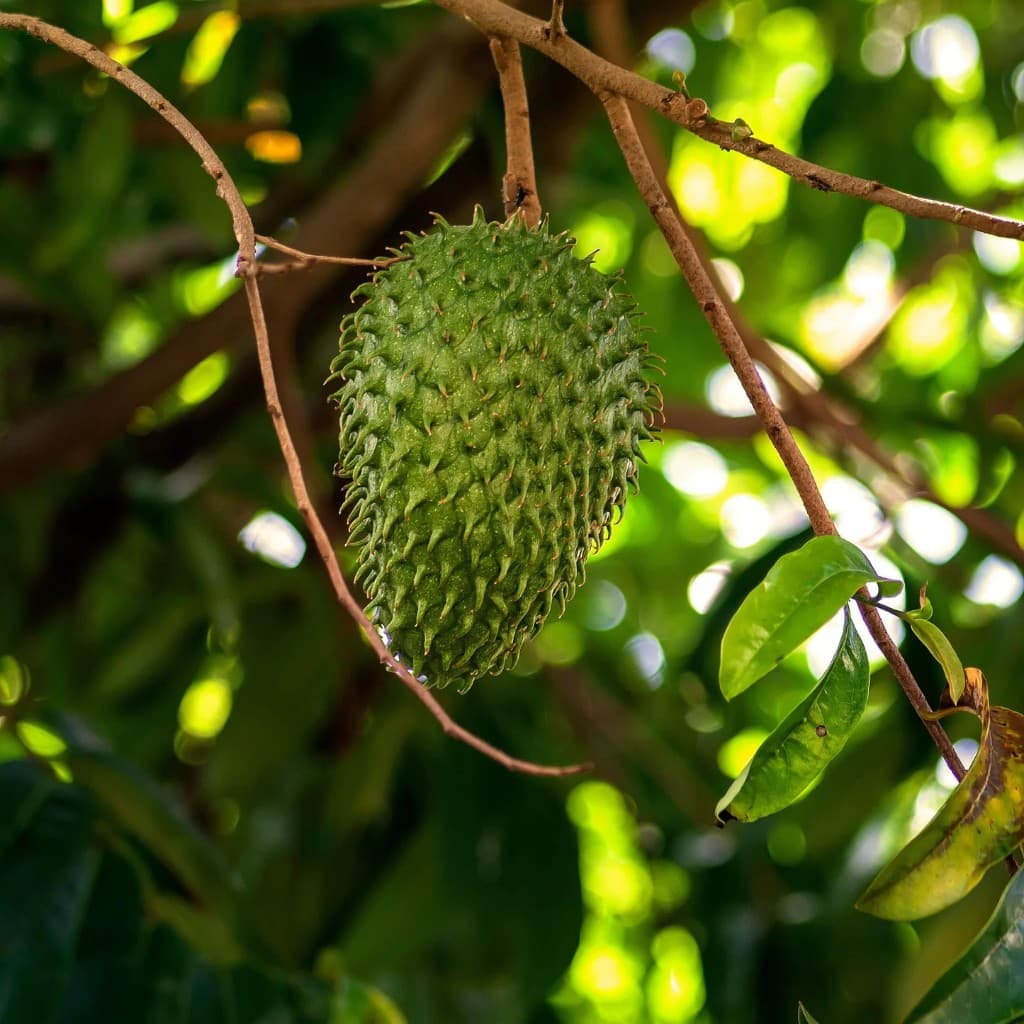
Leaves from a tropical soursop tree

Herb

Soursop Leaf

Found in Portland: Yards, mixed fruit gardens, and small rural holdings across Portland where soursop trees are grown for both fruit and leaves.

History: Soursop trees grow widely across Jamaica, and the leaves are often steeped in tea as part of everyday wellness practices.

Benefits: Used traditionally in tea for relaxation and as part of herbal home care routines.

Why it stands out: Because the tree offers fruit as well as herbal use, it is valued as a practical, multipurpose plant in many Portland homes.

Spices

Flavors rooted in Jamaica

Spices grown and used across the island that connect Portland to Jamaica's cooking, farming history, and export story.

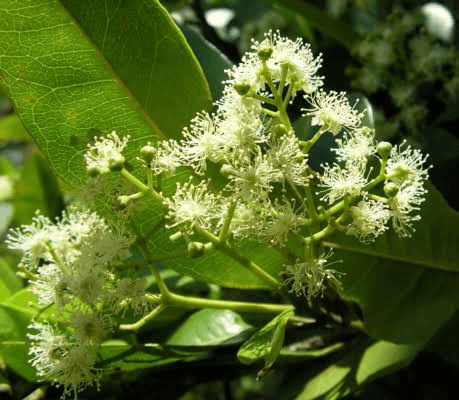
Dried allspice berries and leaves

Spice

Pimento

Found in Portland: Rural farming belts and hilly interior zones of Portland where spice trees thrive in warm, wet conditions.

History: Pimento, known internationally as allspice, is one of Jamaica's signature crops and has deep roots in Portland cooking, jerking, and export history.

Benefits: Adds warm flavor to meats, sauces, teas, and baked goods, while carrying strong cultural and culinary value.

Why it stands out: Pimento is tied directly to Jamaican jerk tradition, making it one of the most culturally important flavor crops on the island.

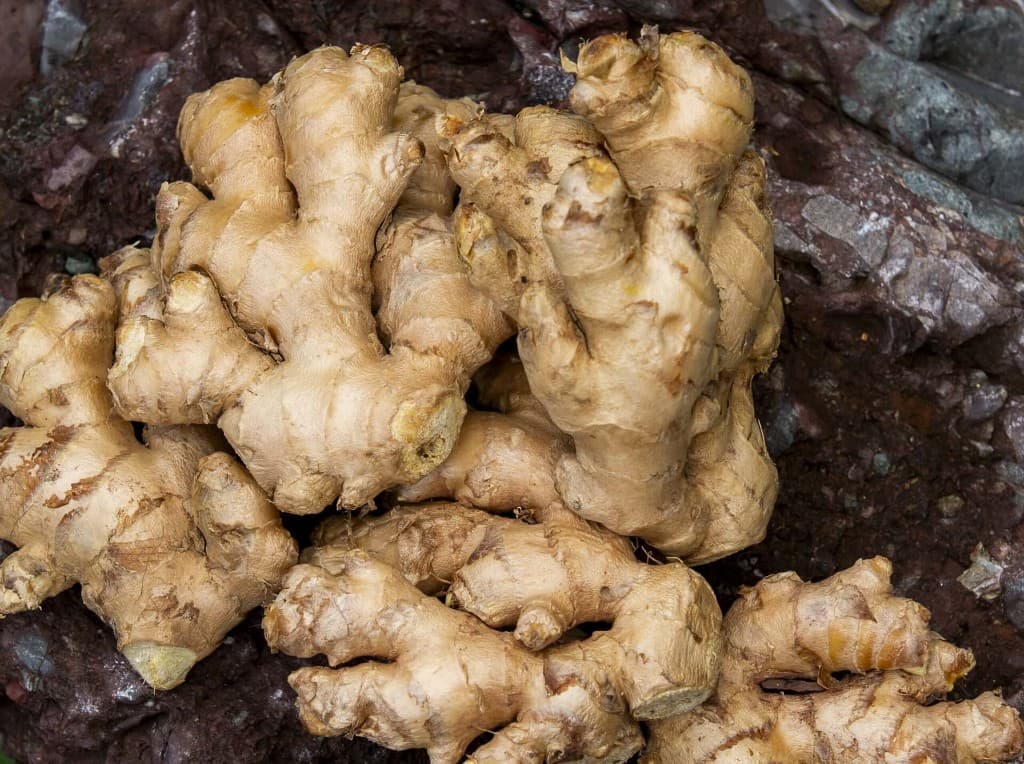
Fresh ginger roots on a wooden surface

Spice

Ginger

Found in Portland: Kitchen gardens and small farms across Portland, especially where rich soil and regular rainfall support root crops well.

History: Ginger has been grown in Jamaica for centuries and remains an important ingredient in drinks, tonics, and cooking.

Benefits: Widely used in teas and food for its bold taste and traditional digestive and warming uses.

Why it stands out: It connects food and wellness, appearing in teas, tonics, sauces, festive drinks, and home remedies.

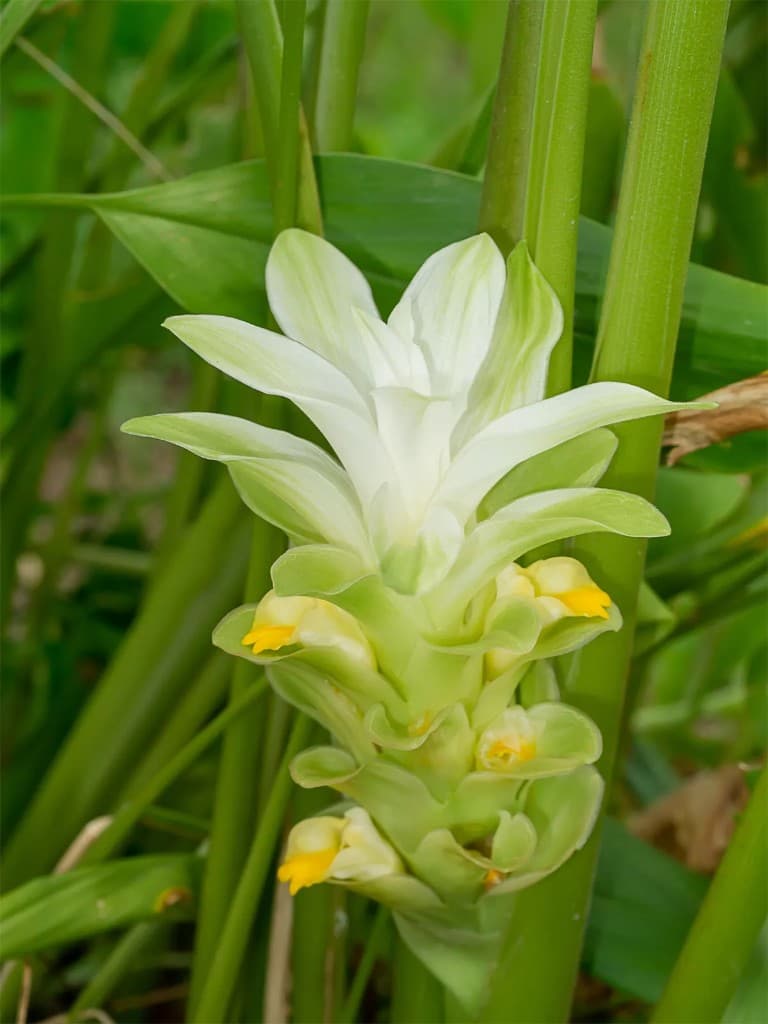
Turmeric roots and powder

Spice

Turmeric

Found in Portland: Backyard gardens and small agricultural plots in Portland where residents grow useful cooking and wellness plants side by side.

History: Turmeric is increasingly grown in kitchen gardens and small farms, valued both for flavor and natural wellness traditions.

Benefits: Used in cooking, drinks, and herbal blends for its earthy taste and bright golden color.

Why it stands out: Its strong color and earthy profile make it popular for both modern wellness drinks and traditional Caribbean cooking.

Flowers

Blooms that brighten the parish

Flowers that reflect Portland's lush environment and add color, beauty, and tourism appeal.

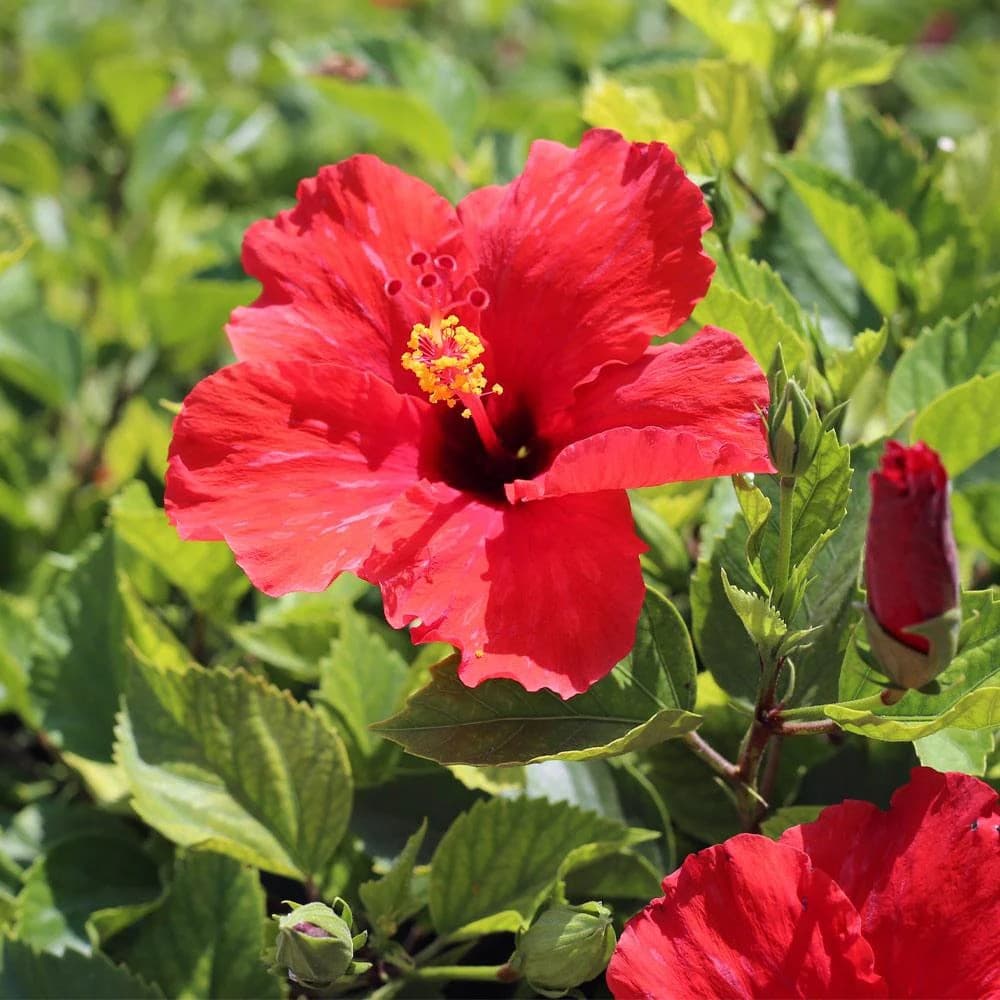
Bright red hibiscus flowers

Flower

Hibiscus / Sorrel Blossom

Found in Portland: Home gardens and seasonal plots across Portland, where sorrel is grown both for festive drinks and ornamental color.

History: Sorrel is closely tied to Jamaican celebration seasons, and its bright calyces are used in the famous Christmas drink.

Benefits: Popular in drinks, preserves, and decorative plantings thanks to its bold color and tart flavor.

Why it stands out: It blends beauty and tradition, since people recognize it instantly as both a plant and a major part of Jamaican Christmas culture.

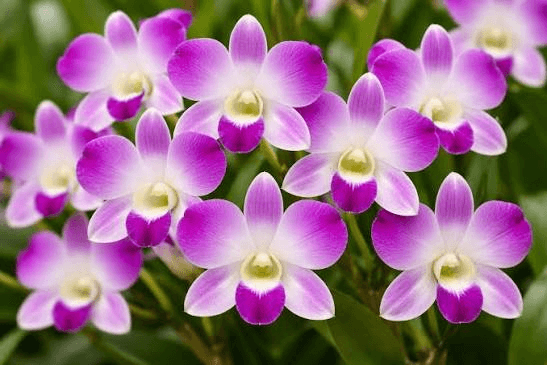
Purple tropical orchids in bloom

Flower

Orchids

Found in Portland: Rainy, green parts of Portland including garden estates, forest edges, and eco-tourism areas with high humidity.

History: Portland's lush climate supports tropical orchids, reflecting the parish's reputation for rich biodiversity and natural beauty.

Benefits: Prized mainly for beauty, eco-tourism appeal, and ornamental value in homes and gardens.

Why it stands out: Orchids help show why Portland is known as one of Jamaica's most naturally lush parishes.

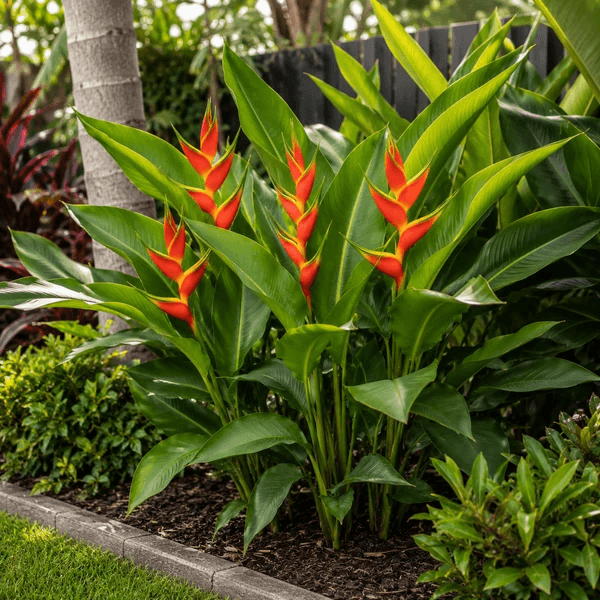
Colorful tropical heliconia flower

Flower

Heliconia

Found in Portland: Moist gardens, resort landscapes, and riverside properties across Portland where tropical ornamentals grow strongly.

History: Heliconias thrive in Portland's wet tropical landscape and are commonly seen in gardens and eco-attraction spaces.

Benefits: Loved for landscaping, floral arrangements, and the vibrant tropical identity they give to the parish.

Why it stands out: Its dramatic shape and color make it one of the flowers that instantly gives Portland that tropical destination look.